Asbestos Encapsulation in Freehold, NJ
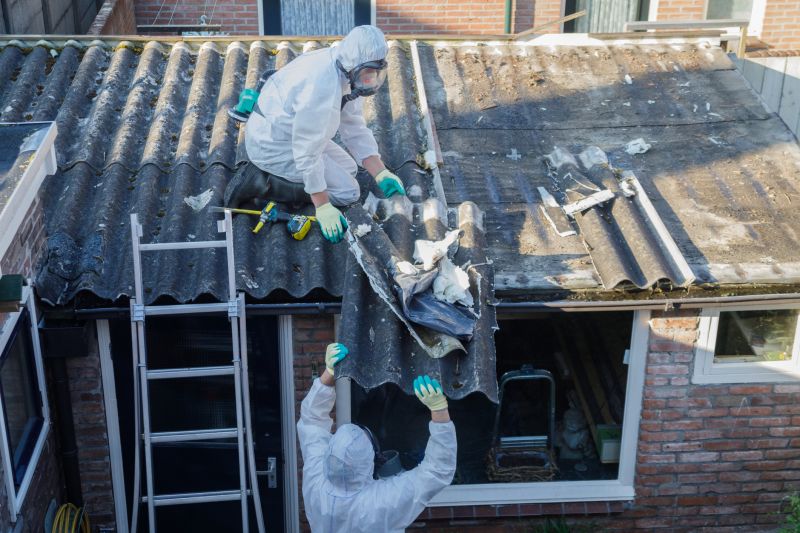
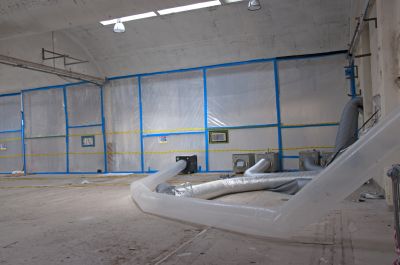
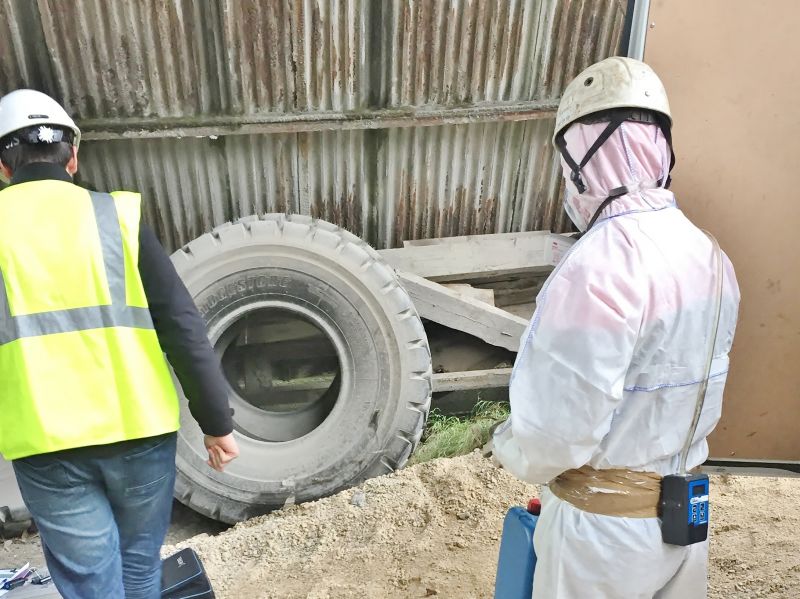
Asbestos encapsulation is a process designed to safely contain asbestos-containing materials within a property, preventing the release of fibers into the air. This service is often requested for projects involving older homes or buildings where asbestos materials such as pipe insulation, siding, or flooring are still in place but need to be sealed off. Encapsulation involves applying a specialized sealant or coating that bonds to the asbestos surface, creating a barrier that reduces the risk of fiber release during normal activities or minor disturbances.
Homeowners considering asbestos encapsulation typically want to understand which parts of their property contain asbestos, the condition of those materials, and whether encapsulation is an appropriate solution for their situation. It is important to assess whether the materials are damaged or deteriorated, as encapsulation is most effective when the asbestos is in good condition and unlikely to be disturbed. Property owners should also inquire about the scope of the project, including areas covered, the types of sealants used, and any necessary preparatory steps to ensure the encapsulation is properly applied and long-lasting.
Many property owners in Freehold, NJ look into Asbestos Encapsulation for repairs, replacements, upgrades, and appearance-related improvements.
Asbestos Encapsulation Benefits
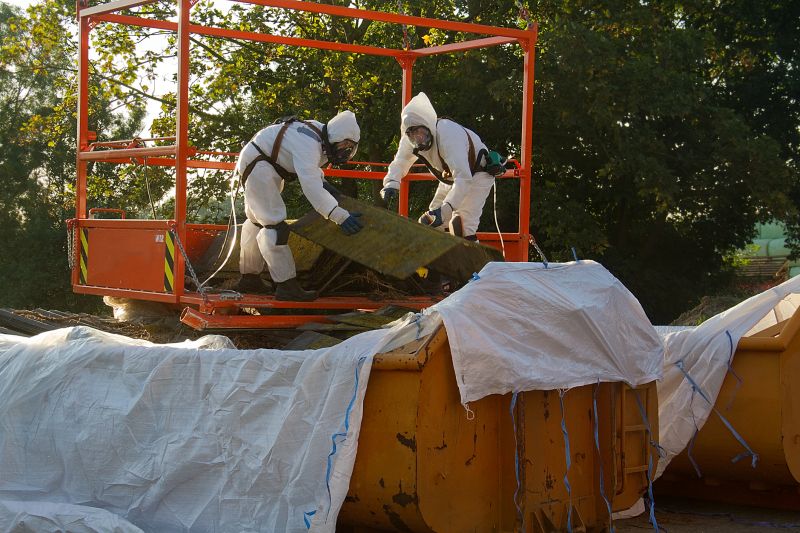
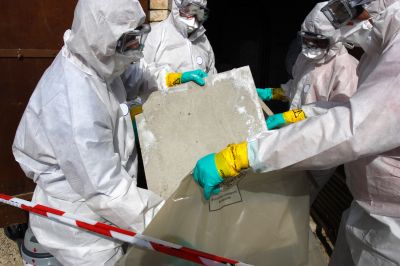
Encapsulation helps contain asbestos fibers and prevent health risks in residential and commercial properties.
Common Encapsulation Applications
The service is often used for aging asbestos-containing materials in attics, walls, and ceilings throughout freehold homes.
Why Choose Encapsulation
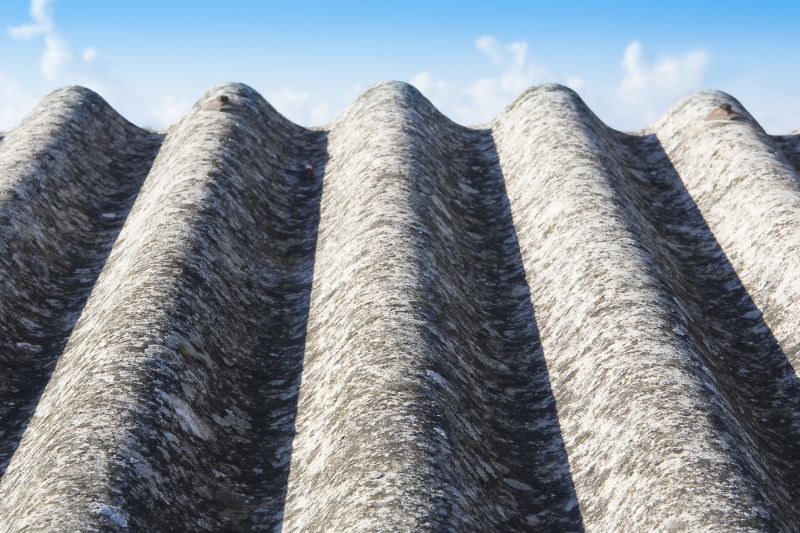
It offers a safe and cost-effective alternative to removal for maintaining property safety and compliance.
Asbestos Encapsulation in Freehold, NJ
Asbestos encapsulation is a process designed to safely contain asbestos-containing materials within a property, preventing the release of fibers into the air. This service is often requested for projects involving older homes or buildings where asbestos materials such as pipe insulation, siding, or flooring are still in place but need to be sealed off. Encapsulation involves applying a specialized sealant or coating that bonds to the asbestos surface, creating a barrier that reduces the risk of fiber release during normal activities or minor disturbances.
Homeowners considering asbestos encapsulation typically want to understand which parts of their property contain asbestos, the condition of those materials, and whether encapsulation is an appropriate solution for their situation. It is important to assess whether the materials are damaged or deteriorated, as encapsulation is most effective when the asbestos is in good condition and unlikely to be disturbed. Property owners should also inquire about the scope of the project, including areas covered, the types of sealants used, and any necessary preparatory steps to ensure the encapsulation is properly applied and long-lasting.
Many property owners in Freehold, NJ look into Asbestos Encapsulation for repairs, replacements, upgrades, and appearance-related improvements.
Common Asbestos Encapsulation Jobs
Attic and Basement Encapsulation - sealing asbestos-containing materials in attics and basements to prevent fiber release.
Pipe and Duct Encapsulation - applying protective coatings to asbestos-laden pipes and ductwork for containment.
Floor and Wall Encapsulation - covering asbestos-containing flooring and wall materials to reduce disturbance risks.
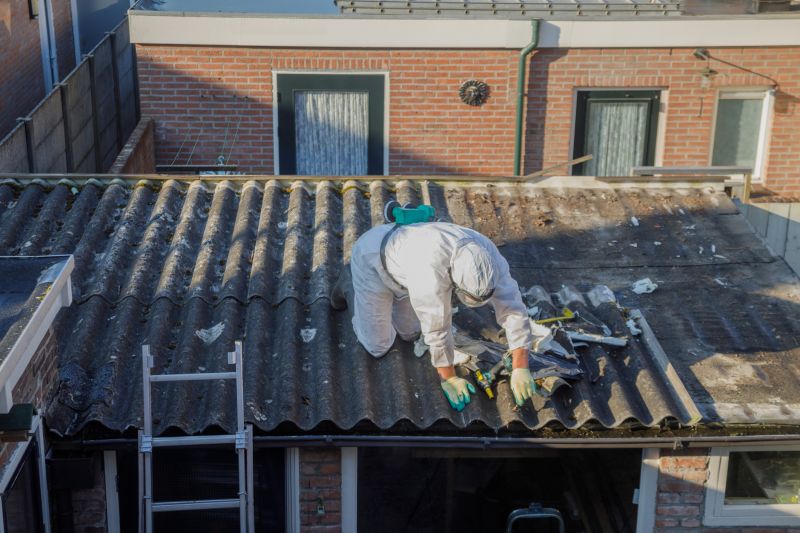
Roofing Material Encapsulation - sealing asbestos roof surfaces to prevent fiber deterioration and exposure.
Garage and Utility Area Encapsulation - safeguarding asbestos materials in garages and utility rooms from damage.
Asbestos Material Sealant Application - using specialized sealants to contain asbestos surfaces and minimize fiber release.
Asbestos Encapsulation Questions
What is asbestos encapsulation? Asbestos encapsulation involves applying a sealant or coating to contain asbestos materials and prevent fiber release.
When is encapsulation recommended? Encapsulation is suitable when asbestos-containing materials are in good condition but pose a potential risk if disturbed.
Is asbestos encapsulation safe for my home? Yes, encapsulation is a common method to safely manage asbestos in residential properties without removal.
What types of asbestos materials can be encapsulated? Commonly encapsulated materials include flooring, ceiling tiles, and pipe insulation containing asbestos fibers.
Request Asbestos Encapsulation in Freehold, NJ
Use the quote form on this page to share the basics of your project and request more information for the type of work you need.